- Office No. 205, C.M. Plaza, Kalali Gam Road Village, Vadodara-390012
- +91 9737790009
- info@ainwik.com
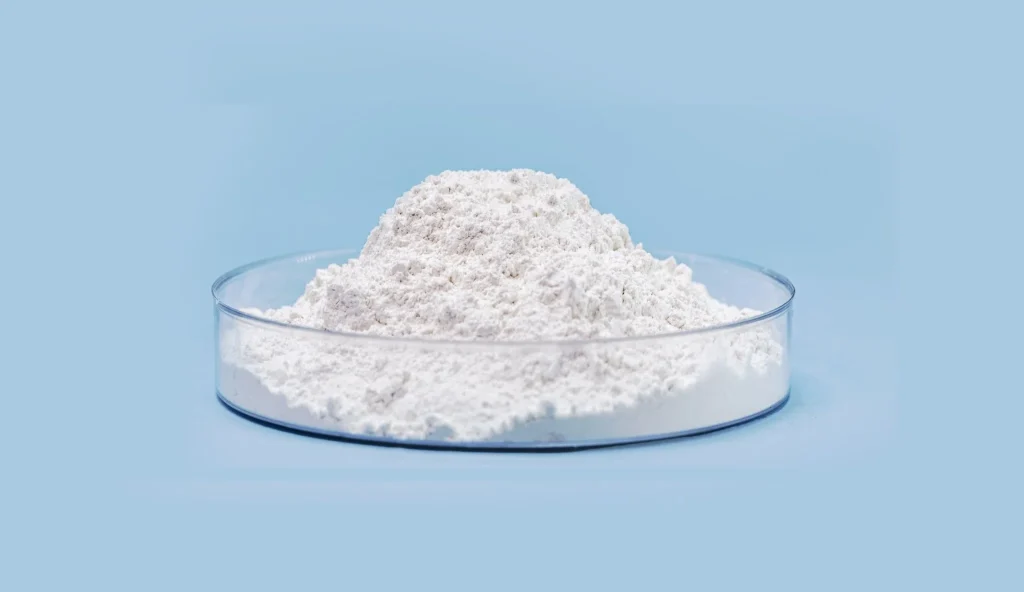
Microcrystalline cellulose (MCC) is a finely granulated crystalline substance, devoid of fibrous structures, and exhibits free-flowing properties. It remains insoluble in water, dilute acids, and most organic solvents, with slight solubility observed in 20% alkali solutions.
Derived from the depolymerization of cellulose, MCC is an odorless and tasteless crystalline powder obtained from natural cellulose sources. In pharmaceutical applications, MCC serves as a vital ingredient, functioning as both a pharmaceutical excipient and a disintegrating agent for tablets. Within the food industry, MCC serves as a fundamental component for functional foods, offering an advantageous health food additive profile. Its versatility extends to the paint industry, where its thixotropic and thickening properties are leveraged to serve as thickeners and emulsifiers in water-based coatings. Furthermore, in cosmetics, MCC plays multiple roles, acting as a filler, thickener, and emulsifier, with exceptional emulsifying capabilities for oily substances.
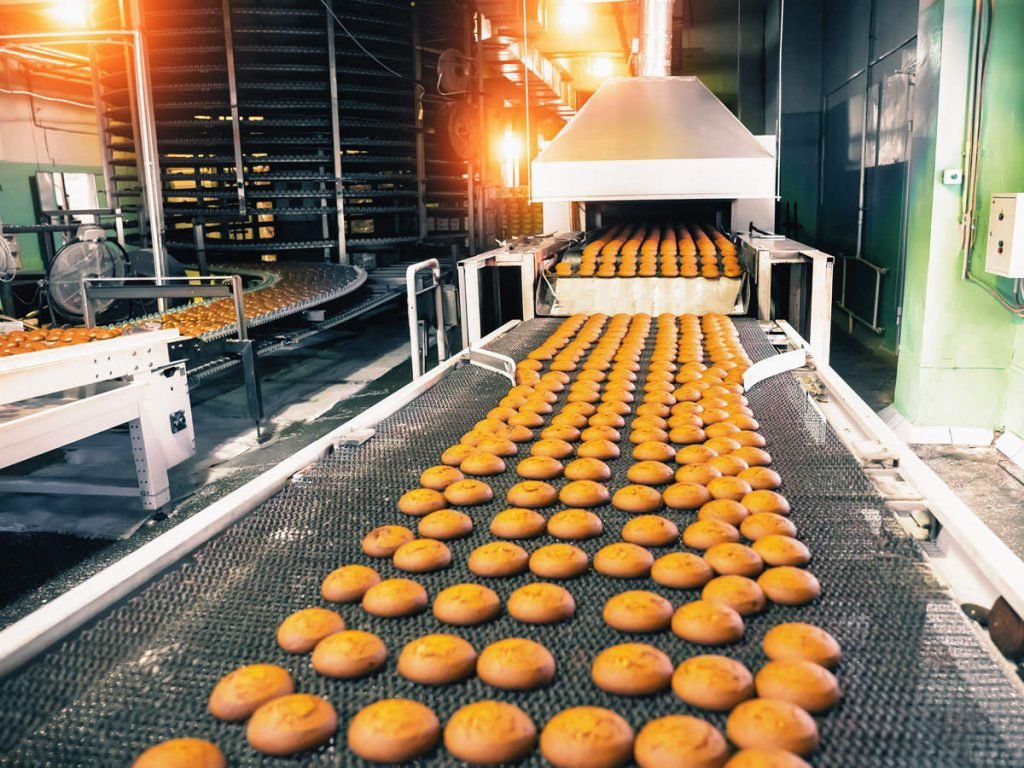
AINWIK: Revolutionizing industries through advanced Specialty Chemicals , where innovation meets sustainability for a greener and more efficient future.
Copyright © [year], All Rights Reserved. Design By Technomantra India / Technomantra Global / Technomantra us / Technomantra Canada / Technomantra local / Technomantra Australia